
22. January 2026
discover
Siquijor Secrets
Welcome to Siquijor –
the mystical island of the Philippines!
Tropical. Mystical. Different.
An island in the Philippines, far from the crowds of mass tourism, surrounded by turquoise waters and picturesque beaches, Siquijor is best known for its untouched beauty – from tropical forests to stunning waterfalls and hidden caves. Breathtaking nature, a laid-back vibe, and mystical legends – that’s Siquijor in a nutshell.
Siquijor is a magical place.
Siquijor is wrapped in mystical legends about witches and healers. Here, in the heart of pristine nature, the belief in ancient healing practices and sorcery lives on – a tradition passed down for centuries that still shapes the lives of many islanders today. It is said that the island is infused with a mysterious energy, one that can be both healing and dangerous.
Travelers call Siquijor a gem.
Siquijor is a place that can be experienced in many ways: adventure in nature, peace and relaxation far from mass tourism, lively beach parties, simply unwinding, or sending your soul on a quest – for whatever you’re looking for.
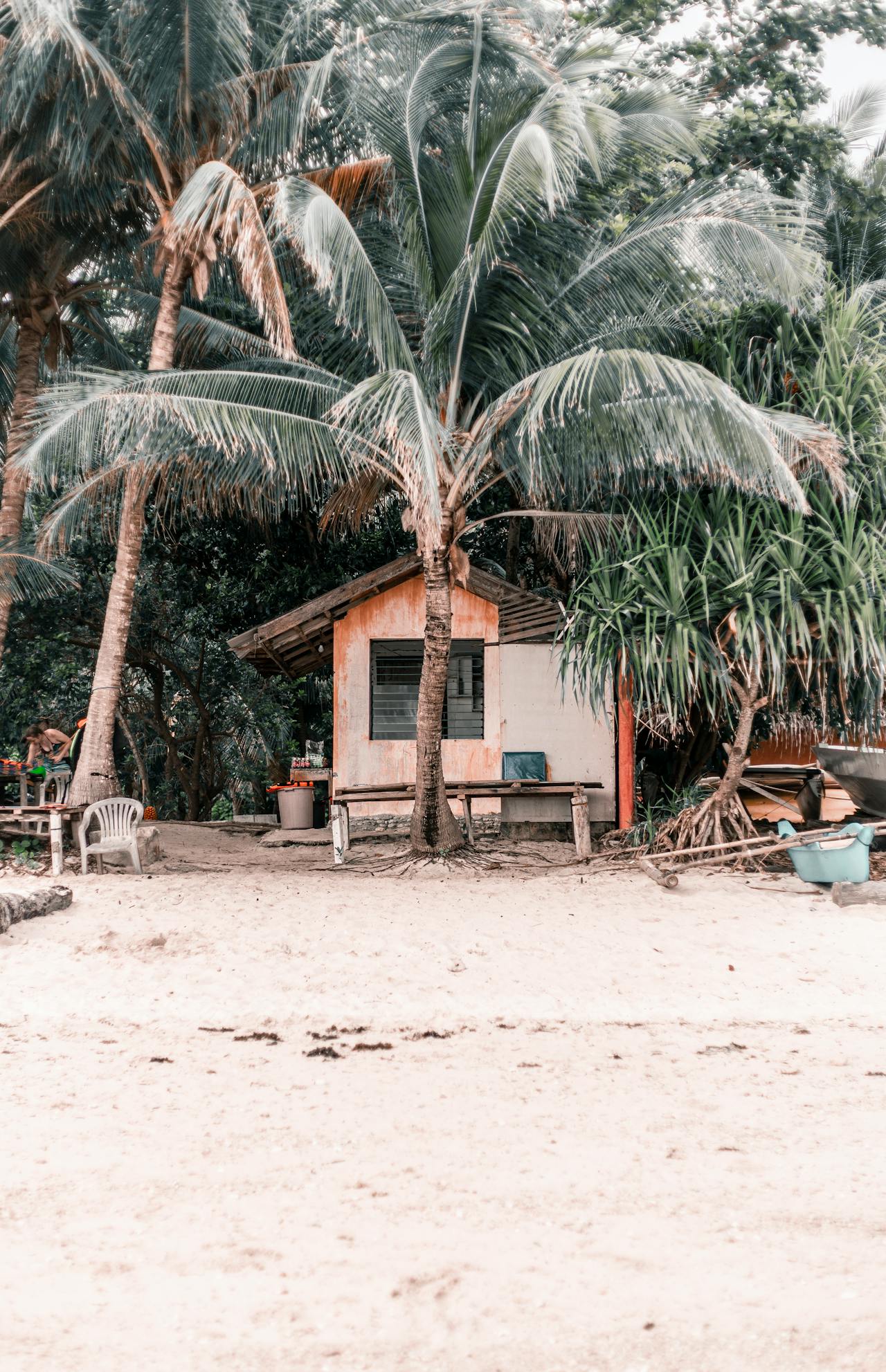
Somewhere in Siquijor.
Quick Facts About Siquijor
Siquijor is located in the Central Visayas region and is the smallest province in this part of the Philippines – and the third smallest in the entire country. With an area of around 337.49 square kilometers and a coastline of 102 kilometers, Siquijor may be compact, but it’s packed with highlights.
According to the latest census (2024), 107,642 people live on the island. The locals proudly call themselves Siquijodnons, and the population is predominantly Roman Catholic.
Siquijor was officially discovered in 1565 during the Spanish Legazpi expedition. Back then, Spanish conquistadors referred to it as “Isla de Fuego” (Island of Fire) – a name inspired by the glowing fireflies that lit up the island at night.
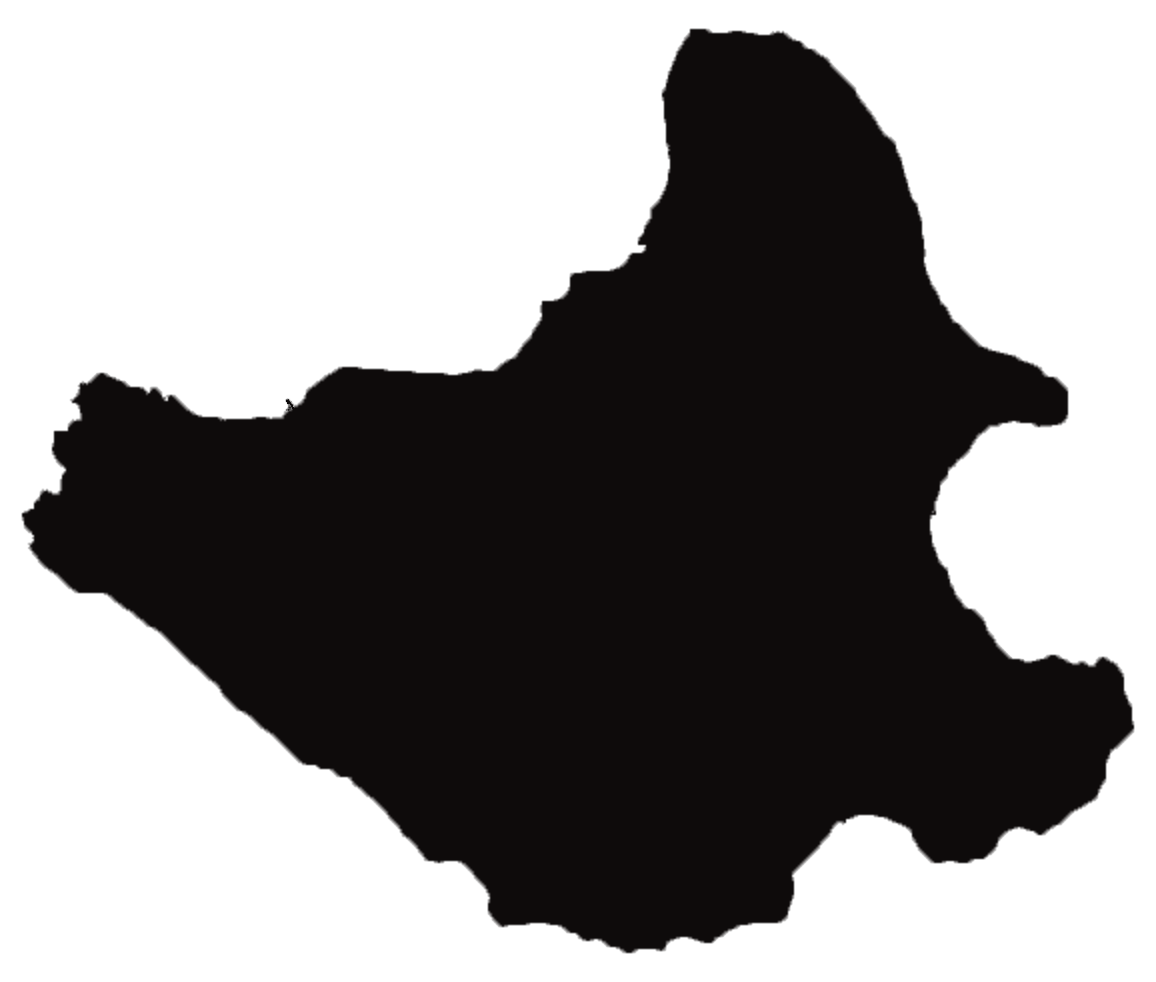
Siquijor Island
Philippines
22. January 2026
22. January 2026
22. January 2026
22. January 2026
Best Time to Visit Siquijor
The best time to visit Siquijor is from November to May, during the island’s dry season. In general, Siquijor can be visited year-round, and unlike most regions in the Philippines, the seasons here are less pronounced. The weather remains relatively stable, with plenty of sunshine and only occasional rain showers. Temperatures are consistently warm throughout the year, usually ranging from 77°F to 90°F (25°C to 32°C).
Dry Season (November to May) – The Most Popular Time to Visit
The best weather can be found during the dry season, from November to May. Particularly the months from January to April are considered peak travel season, and locals refer to this time as the “tourist high season.” Since more visitors flock to the island during this period, accommodation prices are noticeably higher, and popular spots tend to get fully booked quickly. From March to May, temperatures rise significantly, with daytime highs reaching up to 35°C (95°F), making this the hottest period of the year.
Rainy Season (June to October) – Fewer Tourists, But Still Great Travel Conditions
Even during the rainy season from June to October, it’s quite rare for rainy days to ruin your stay on Siquijor. While the weather is a bit more unpredictable than in the dry season, temperatures usually hover around 77°F to 86°F (25°C to 30°C), and rain typically falls in short, heavy showers, often at night or early in the morning. Afterward, the sun quickly breaks through, and long rainy spells are the exception rather than the rule.
In August and September, the risk of typhoons increases in the Philippines. While Siquijor is rarely directly hit by typhoons, the outer bands of storms can bring bad weather and occasionally cause disruptions in boat services between islands.
Somewhere in Siquijor.
Tips for Planning Your Trip:
Make the most of the transition months between the rainy and dry seasons to enjoy great weather and lower prices. If you’re planning to visit other islands in the Philippines as well, it’s a good idea to check the best travel times for those islands first, as weather conditions can vary significantly across different regions. Siquijor, on the other hand, is relatively easy to fit into your Philippines itinerary.
Also, keep in mind any special events that might be happening during your stay, like the Healing Festival in Siquijor during Holy Week. It’s a great opportunity to dive into the island’s mystical traditions and take part in a unique cultural experience.
Questions from Travelers – Siquijor FAQ
Planning a trip to Siquijor and wondering what to expect on the island – and if it’s the right destination for you? In this handy Siquijor guide, we answer the most common questions from travelers. From getting there, ATMs, and internet access to safety and more, we’ve got you covered. So you can kick off your Siquijor adventure feeling relaxed and fully prepared.
General Information
The Philippines offers many beautiful vacation destinations for travelers, each with its own unique charm and experience - but Siquijor is different. Calmer. More pristine. And somehow magical. Siquijor Island is known for its quiet, relaxed and almost mystical atmosphere and is considered by tourists to be a real hidden gem in the Philippines. Often referred to as a magical island of the Philippines, Siquijor is steeped in ancient legends and local beliefs in healing powers.
Unlike other popular destinations, Siquijor is noticeably less touristy and remains an off-the-beaten-path destination, providing visitors with a more authentic and remote island experience. While there is now a well-developed tourist infrastructure and a variety of attractions for travelers, the island still feels less commercialized compared to other popular spots. This makes it an ideal destination for travelers looking for an authentic, laid-back and less crowded experience.
For those looking for an authentic, laid-back, and nature-focused destination in the Philippines, Siquijor is the perfect choice. It’s ideal for anyone wanting to experience something special, far away from the usual tourist crowds.
The ideal length of stay on Siquijor depends on your interests and your style of travel. Here is a rough guide:
3 to 4 days: Enough for a relaxed stay on Siquijor if you want to explore the island at a leisurely pace and focus on the highlights: enjoy the beaches, experience waterfalls and nature, and visit a few cultural sights.
5 to 7 days: Ideal if you want to dive deeper into the island's culture or plan activities like snorkeling, diving, and local discovery tours. This duration gives you more time to truly soak in the island's laid-back vibe.
Take a look around this page, get inspired, and decide which experiences you don’t want to miss. This way, you can plan the perfect length for your trip to Siquijor.
No! Siquijor is not a typical party island and there are no discos or clubs. There is a relaxed atmosphere here with a few bars and live music and the parties are characterized more by an “island vibe”.
Nevertheless, the most legendary parties on Siquijor take place at the weekend at JJ's Backpackers on the beach in San Juan. It gets really crowded and really wild here. Many locals from the neighboring islands come to Siquijor over the weekend just to party here.
Yes, there is a small airport in the west of the island. Sunlight Air (www.sunlightair.ph) operates direct and connecting flights to Siquijor since December 15, 2025, via its hubs in Cebu, Manila, and Clark. Travelers coming from other islands — including Siargao — can reach Siquijor using these connections. The airline also offers onward flights from Siquijor to destinations such as Coron.
That said, most travelers still make their way to Siquijor by boat. You’ll find up-to-date information on the best ferry routes and how to get to Siquijor in our detailed guide: Take me to Siquijor.
Yes, the locals speak English. Very well in fact - as in almost all parts of the Philippines. English is used here as one of the main languages of communication, especially in the tourism sector.
Otherwise, Cebuano (also known as Visayan or Binisaya) is the main language spoken in Siquijor. Cebuano is one of the most widely spoken languages in the Visayas and Mindanao. However, there are also many people on the island who speak Tagalog (Filipino), as it is the national language of the Philippines.
Withdrawing Money and Shopping
The official currency in the Philippines is the Philippine peso (abbreviated to ₱ or PHP). This means that you must pay in pesos for all local payments, whether for accommodation, meals or activities. Other currencies are not accepted!
In some restaurants, a few supermarkets and some resorts, credit cards (Visa, MasterCard) are accepted. However, cashless payment is not as common as in major Philippine cities. Small stores, many local restaurants and stalls generally only accept cash. It is therefore advisable to always have a sufficient amount of cash with you.
There are now plenty of ATMs in Siquijor, so withdrawing money is generally not a problem - although this does not apply to all parts of the island! Most ATMs are located in the towns of San Juan, Larena and Siquijor City. Especially in San Juan there are enough ATMs to get cash.
However, they may be temporarily empty or out of order, so you may have to try another ATM.
ATMs on Siquijor charge a fee for each transaction. This fee is usually around ₱250 or ₱300 (approx. $4.37) per withdrawal. There is also a daily withdrawal limit, which can vary depending on the bank and ATM. Most ATMs in Siquijor allow a maximum amount of ₱10,000 (approx. $174.92) per withdrawal in one transaction, whereby you can make two transactions per day.
The ATMs on Siquijor have an English interface, making it easier for international travelers to withdraw cash.
Important to avoid high fees: Since you probably don’t have Philippine pesos in your bank account, many ATMs in the Philippines will ask if you want to convert your home currency into Philippine pesos directly at the machine. Most ATMs charge a fee of around 10% for this service. It’s strongly recommended to answer “No” to this question! If you choose “No,” your bank back home will handle the conversion, usually at much better rates. The ATM will still give you your money immediately – regardless of whether you select "Yes" or "No" – but by choosing "No," you can avoid unnecessary fees.
That said, keep in mind that additional fees might still apply from your bank. It’s a good idea to check with your bank about any overseas withdrawal fees before your trip to avoid any unpleasant surprises.
There are only a few specialized exchange offices for currency exchange on Siquijor, so it is often cheaper to exchange money in larger cities.
If you still need to exchange money on the island, you can do so in a Palawan Pawnshop. You can simply enter the term in Google Maps to find a store near you.
Banks also occasionally offer these services, but at very poor rates and often these services are refused altogether if you don't have an account with the bank in question.
Yes, it is common to tip on Siquijor, as in many other parts of the Philippines, especially in restaurants, hotels and for services provided by tour guides. However, tipping is usually not obligatory but a gesture of appreciation for good service and there is no pushy tipping culture.
General Tipping Tips in Siquijor:
Restaurants and Cafés: In restaurants, tipping around 5-10% of the bill is common and greatly appreciated. In some cafés, you pay when you order, before receiving any service, and tipping here is less common.
Hotels: Hotel staff, such as housekeepers or porters, are happy to receive a small tip of around ₱50 (approx. $0.87 ).
Tour Guides: If you take a guided tour, a tip of ₱100-200 (approx. $1.75 – $3.50 ) is common, with more for longer or higher-quality tours.
Other Guides: Other guides, such as those on snorkeling tours, also appreciate a tip of around ₱100 (approx. $1.75). The same goes for guides who are assigned to you at certain waterfalls. If you wish, they often include a photo session while you swing on a vine above the waterfall.
Taxis (Tricycles or Tuk Tuks): Drivers of tricycles and tuk-tuks generally don’t expect tips but will be happy with a small extra.
If you're especially pleased with the service, feel free to give a more generous tip. Locals on Siquijor are very grateful for any form of recognition and really appreciate the gesture. It's also worth noting that in some cases, smaller services may be referred to as a "tip," but the payment is actually required. For example, when photographing sand sculptures on the beach.
In the tourist areas such as Siquijor city or San Juan, there are several small supermarkets where you can buy food and drinks as well as everyday products. By far the largest supermarket on the island is Prince in Larena.
You will also find small stores called “sari-sari” all over the island. Sari-sari stores are small, family-run stores that are widespread in the Philippines. The term “sari-sari” comes from Tagalog and means “miscellaneous” or “all sorts of things”, which reflects the wide mix of goods in these stores. These stores also offer a variety of everyday products for a minimal surcharge, but with a much smaller selection than in larger supermarkets. They are a central part of Filipino neighborhood culture and often the first stop for local purchases.
You will also find many small roadside stalls selling fruit and vegetables. If you look around, almost everyone here is selling something.
Internet and Electricity
Compared to the big cities in the Philippines, the internet connection on Siquijor is not always as reliable and fast. In the tourist areas, such as San Juan and Siquijor City, almost all accommodation, cafés and restaurants offer stable Wi-Fi and mobile internet also works relatively well here. Some resorts and restaurants also offer fast Starlink internet.
However, the quality of the internet can vary, especially in remote areas of the island. In more rural areas or in the villages, you may encounter an unstable or slow connection. Of course, in the middle of the jungle, there’s no connection at all.
Tip: Download the map of Siquijor from Google Maps as an offline map on your cell phone. Depending on where you are on the island, you won't have to rely on the internet for navigation and will always find your way back home.
In the Philippines, the two largest providers Globe and Smart in particular offer good network coverage, although availability can vary depending on the region.
On Siquijor, however, Globe and Smart work equally well, or equally moderately. You can get local prepaid SIM cards from both providers very cheaply in local mobile phone stores for between ₱60 and ₱150 (approx. $1.05 - $2.62), depending on the data package. At airports, you always pay a little more for identical SIM cards. After purchase, the SIM cards must be registered online - this is not very difficult, but annoying.
The easiest way to stay connected to the internet on Siquijor is to buy an eSIM card. Although these are slightly more expensive than local SIM cards, there is no need to register and you already have an internet connection as soon as you land in the Philippines. There are also various options here, depending on the length of your stay and the amount of data you need.
Siquijor faced significant power outages in mid-2025, which led the government to provide additional generators for the island. While the power supply on Siquijor is generally stable now, occasional power outages still occur, especially in more rural areas of the Philippines. According to current information, the power issue is expected to be fully resolved by 2026.
Typically, power outages last around 1 to 2 hours, but in rare cases, they can be longer. For planned, longer outages, there is a schedule outlining when and where the power will be cut off. However, many of the larger resorts and restaurants on Siquijor are equipped with generators, so you'll still have power during an outage.
Tip: If you rely on the internet during your stay, it's a good idea to check with your accommodation in advance to see if they have generators available. This way, you’ll be better prepared in case of a power outage. Also, it's always a good idea to carry a small power bank*.
Safety and Road Traffic
Siquijor is considered one of the safest islands for tourists in the Philippines and the crime rate is comparatively low. Theft and crime are very rare and it is safe to walk the streets at night. Nevertheless, like anywhere else in the world, you should keep your valuables safe and be aware of your surroundings.
The main roads are generally well developed and traffic is relaxed and not very hectic. In many parts of the island, you can drive calmly into the sunset on wide roads and rarely bump into anyone. In fact, many of the island's roads (especially in San Juan) are currently being modernized. Away from the main roads, however, the paths quickly become adventurous and flooding can occur, especially after heavy rainfall. Not all of the roads shown on Google Maps are safe to ride your scooter on either.
Despite the generally very relaxed traffic, accidents do occur from time to time. In particular, you should watch out for street dogs that run across the streets unannounced and sleep on the roads at night. In addition, not all parts of the island have street lighting at night, so road damage can be difficult to spot. As many roads on Siquijor are currently being modernized, construction works are often not adequately secured. In addition, there may be a few drunks on the roads in the evening hours at the weekend.
Please: Drive safely and take care!
Yes, there are plenty of gas stations on Siquijor, and getting fuel shouldn’t generally be a problem. Most gas stations are located along the main roads that loop around the island, but there are very few in the inland areas. So, when heading into rural areas, it’s a good idea to fill up your tank in advance. To find gas stations, just search for “Gas Station” on Google Maps.
In addition to the official gas stations, you'll also find small roadside stands selling fuel in bottles – often from old cola bottles or canisters. This emergency option is especially useful when you're off the beaten track. However, these stands won't show up on Google Maps.
Tip: Almost all gas stations on Siquijor close around 8 or 9 p.m., so make sure to top up your tank if you're planning to be out in the evening. If you do run out of fuel, just ask a local – the people on Siquijor are very helpful and usually know exactly where you can quickly find fuel from a canister or bottle.
It is generally not recommended to drink the tap water in Siquijor directly (as well as most Philippine islands), unless it has been specifically labeled as safe to drink. In more rural areas, such as Siquijor, water quality can vary and there is a higher risk of bacterial contamination or other impurities.
Many hotels, restaurants and accommodations offer free drinking water dispensers or filled water bottles to provide clean drinking water.
Yes, there are pharmacies on Siquijor, especially in the tourist areas such as Siquijor city, Larena and San Juan, where you can find the most common medicines and health products. If you need special medications, you should make sure you get them in advance.
The largest pharmacy on the island is Mercury in Siquijor City.
If you need specific or regularly prescribed medications, be sure to bring them with you, as certain medications may not be available or can be hard to find on the island.
Our Philippines packing guide provides a handy overview of what you should definitely pack in your travel first-aid kit.
Yes, there are dentists on Siquijor who can help in acute emergencies.
There is also a hospital in Siquijor, the Siquijor Provincial Hospital. It is located near the main road between Siquijor city and San Juan. It offers basic medical care, emergency services and general health services. However, the medical facilities are limited, so for more serious medical cases or specialized treatments, a transfer to Dumaguete or Cebu is necessary, as the hospitals there are much better equipped. Several boats run daily between Siquijor and Dumaguete and the journey only takes 40 to 60 minutes.
A new hospital is also currently being built in Siquijor City.
Others
Well, if you're curious, you might be interested in the myths and history of Siquijor.
Most Popular Posts
22. January 2026
22. January 2026
22. January 2026

